
Electric or manual roller shutters?
The practical differences between electric and manual shutters: cost, convenience, safety, power cuts and later conversion.
On window and smaller shopfront shutters, electric operation typically adds £250 to £500, plus any electrical work if there is no power supply nearby. Larger shutters and industrial doors need bigger drives that cost more. Manual shutters avoid that cost and the electrician's visit.
Last updated 13 October 2026 by the Security Shutters UK team
When does manual operation make sense?
Manual push-up shutters suit small openings, kiosks, hatches and outbuildings that are opened once or twice a day. Above about 3m wide, a crank or motor is usually more practical, because a heavy curtain is hard to lift safely every day.
What do electric shutters add?
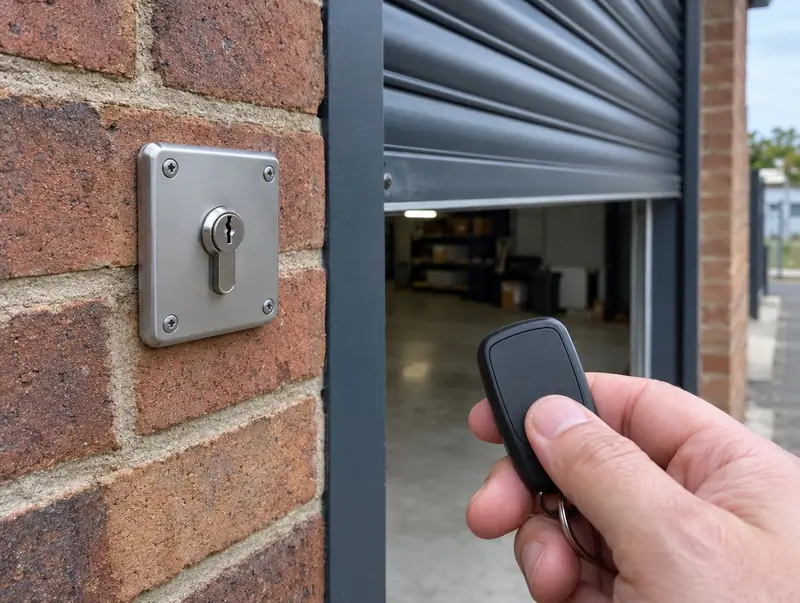
Electric shutters open with a key switch or remote, so there is no lifting, and they can be timed or linked to app control. They are held down by the motor and locks when closed. Most shops and almost all large doors are now electric.
What happens in a power cut?
Every electric shutter should have a manual override, usually a crank or release, so it can be opened or closed without power. On escape windows in homes, a battery backup or easy override matters for safety.
Can I convert later?
Yes, if the curtain, barrel and box are sound. A tube motor, key switch and override can be fitted to many manual shutters in a single visit, which is much cheaper than a new electric shutter.
- Choose manual for small, lightly used openings on a budget
- Choose electric for daily use, wide openings or ease of use
- Plan for a power supply near the shutter box
- Ask for a manual override on every electric shutter
Sources
- BestBuilders: security shutters cost guide (2026)
- HSE: revision of standards for powered doors, gates and barriers
This guide is general information, not legal advice. Rules can change, so check with your council, insurer or fire risk assessor where it matters.